-
Swayamvaram / One’s Own Choice (Dir. Adoor Gopalakrishnan, 1972, Malayalam)
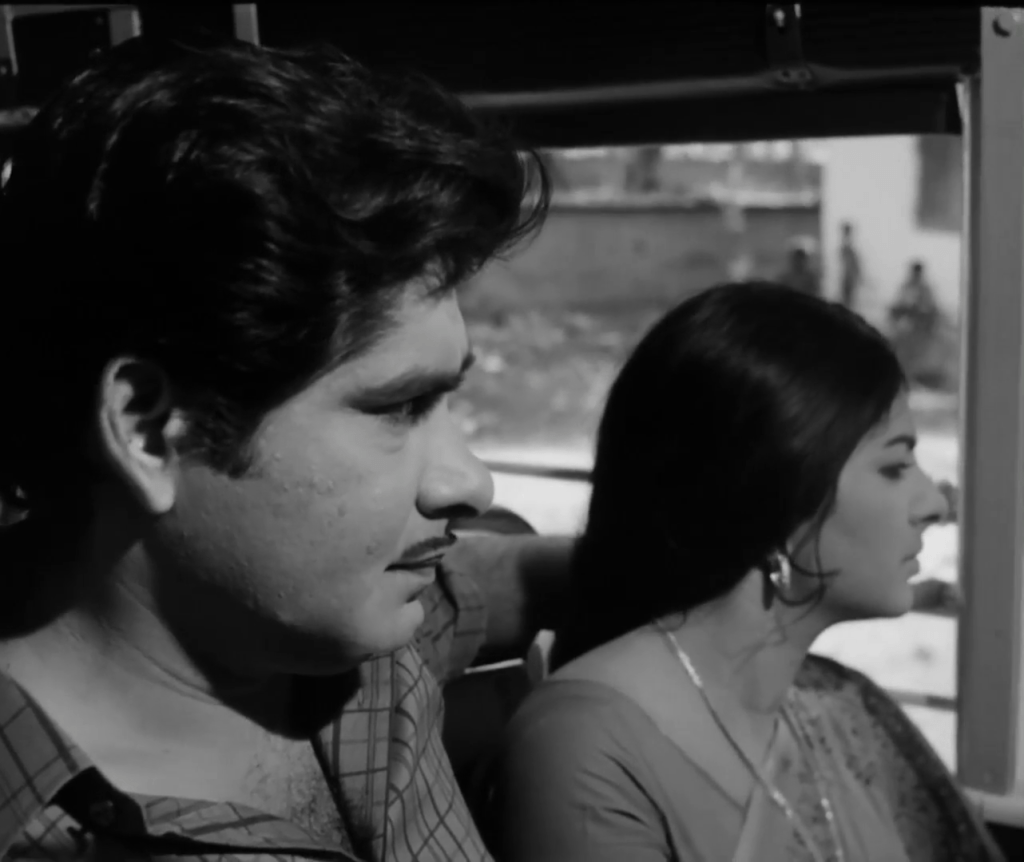
Adoor Gopalakrishnan’s debut feature Swayamvaram (1972) is a stark melodrama that marked the beginning of the Malayalam New Wave, an adjunct of India’s Parallel Cinema movement. The film opens with an extraordinary six-minute, dialogue-free sequence aboard a moving bus in Kerala. Shot in a verité style, the camera roves among passengers before settling on the protagonist, Viswam Continue reading
-
Grihajuddha / Crossroads(1982, Dir. Buddhadev Dasgupta, India)
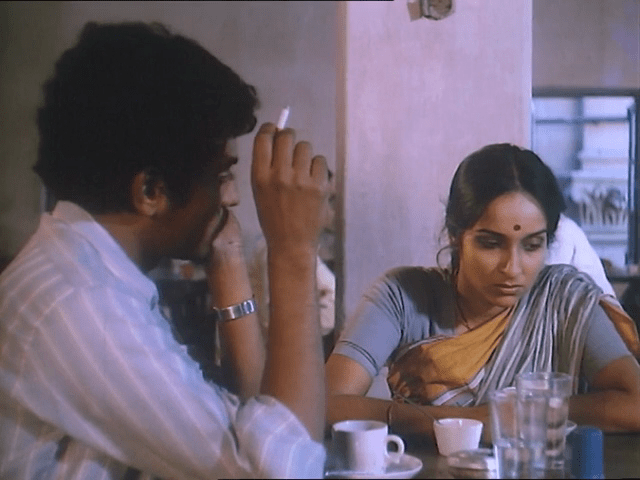
Bengali director Buddhadev Dasgupta’s Grihajuddha is a stark and unflinching entry in India’s third phase of Parallel Cinema, which I have titled ‘the high point’, and which often thrived on perceptive socio-political critique. Funded by the West Bengal government, this early work from Dasgupta is a tautly scripted political thriller that takes a searing look Continue reading
-
Bollywood Flashback 2# – The cut-price aesthetics of Hum / We (Dir. Mukul Anand, 1991, India)
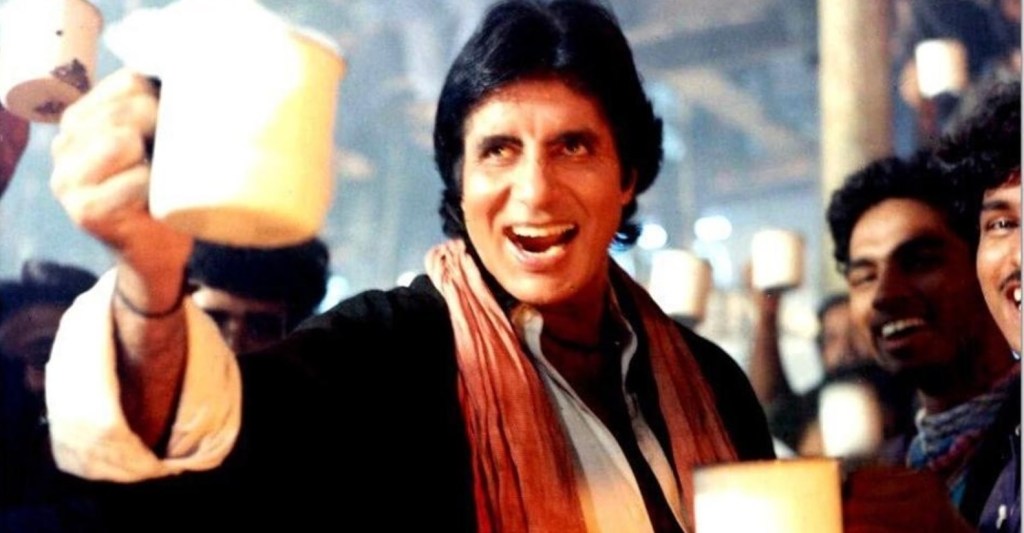
Hum is outrageous, outlandish but also borderline brilliant in the hyper-stylised aesthetics of Mukul Anand who really knew how to frame a shot. Set on the docks of a crime infested Bombay ruled over by Danny’s ‘Bhaktawar’, the industrial-slum-proletariat milieu with overexposed lighting, audacious dolly shots and quasi-documentary inserts makes for a bravura genre spectacle. Continue reading
-
WILL PENNY (Dir. Tom Gries, 1968, US)
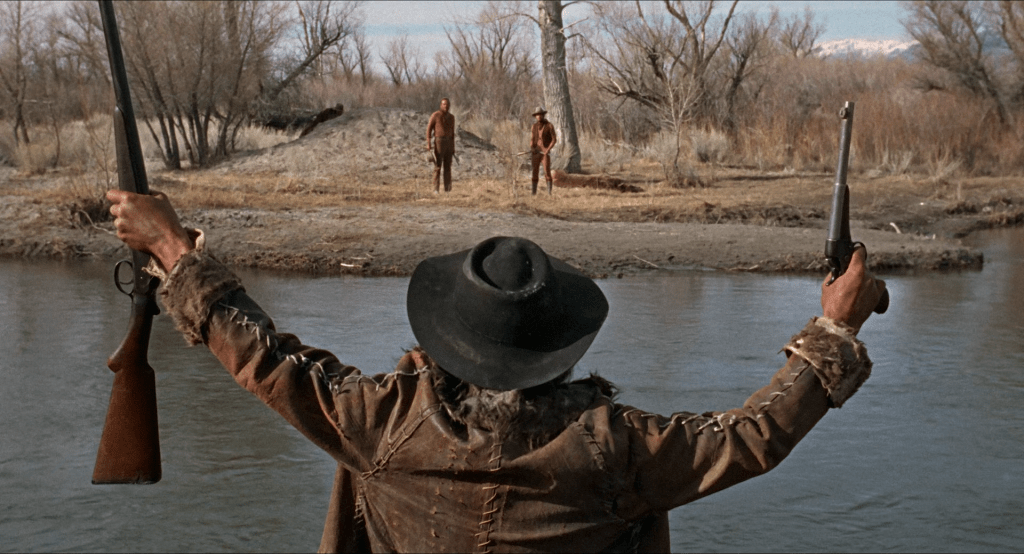
* * * Will Penny is a Western that I always had in my rear-view mirror. And I was really surprised by how good it is. It is arguably a revisionist, if not, Twilight Western, made in the late 1960s when the genre was about to explode into a million different pieces with Peckinpah’s deconstructive Continue reading
-
AB DILLI DUR NAHIN (Dir. Amar Kumar, 1957, India) – A Nehruvian Dream Through a Child’s Eyes
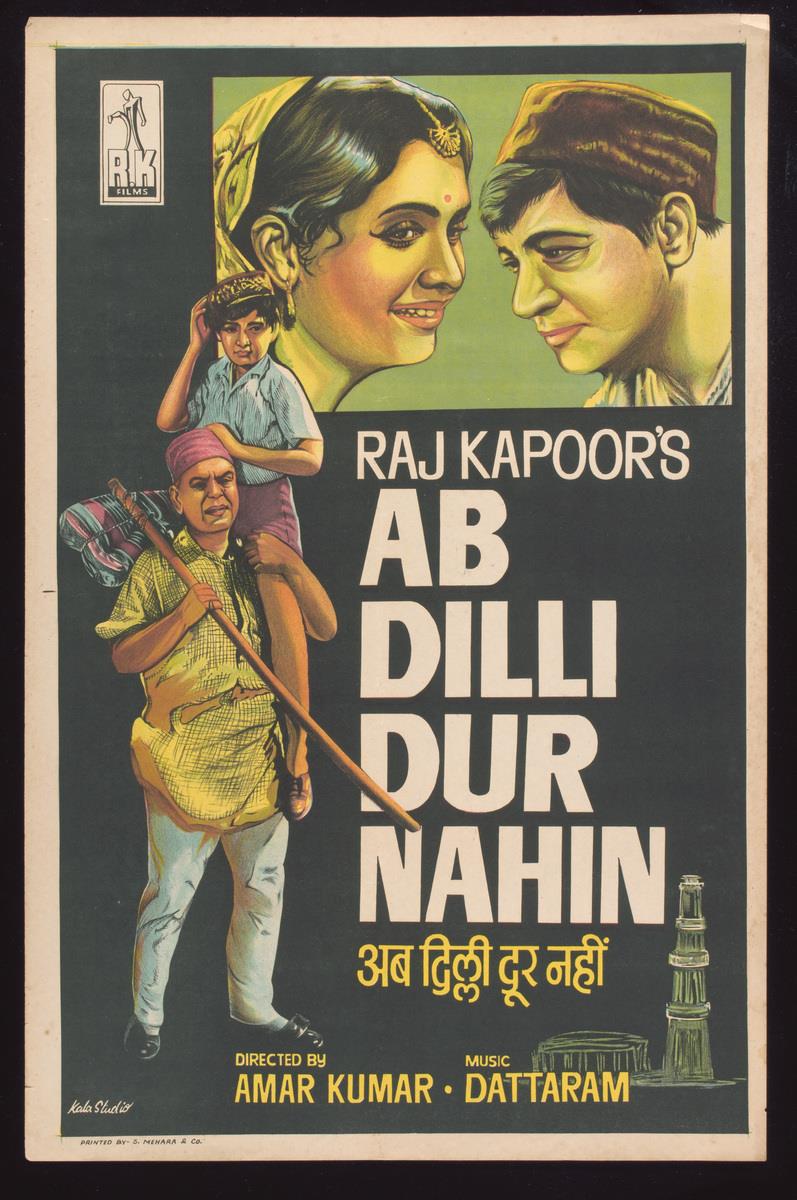
* * * Raj Kapoor’s 1950 production, Ab Dilli Dur Nahin, carries an unmistakable Nehruvian focus that, while sometimes feeling contrived, is salvaged by Master Romi (Mohammed Salim), one of India’s first child actors. Romi, first made a name himself in the K. A. Abbas Munna in 1954, apparently the first mainstream songless Indian film. Continue reading
 Movie Mahal